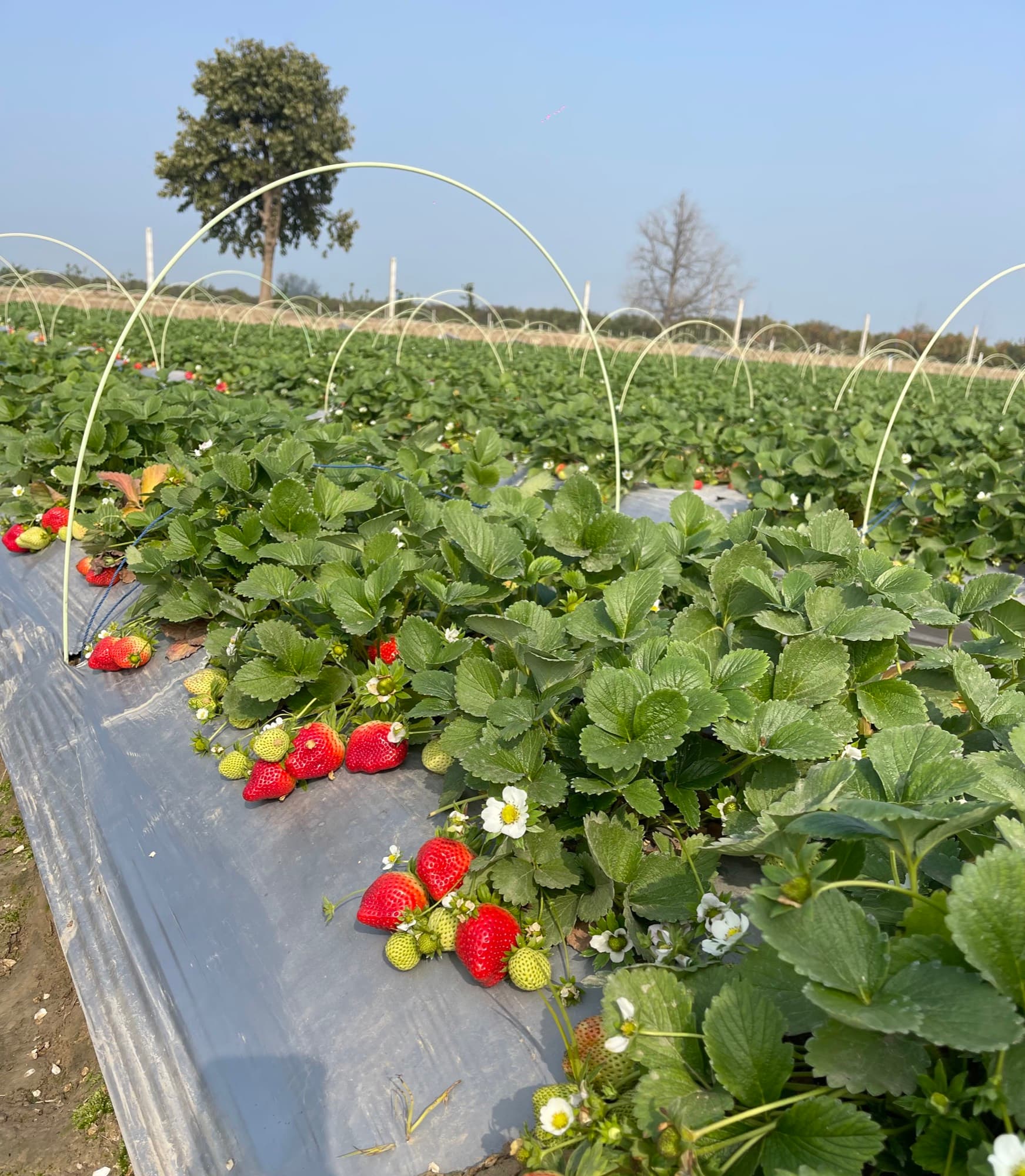
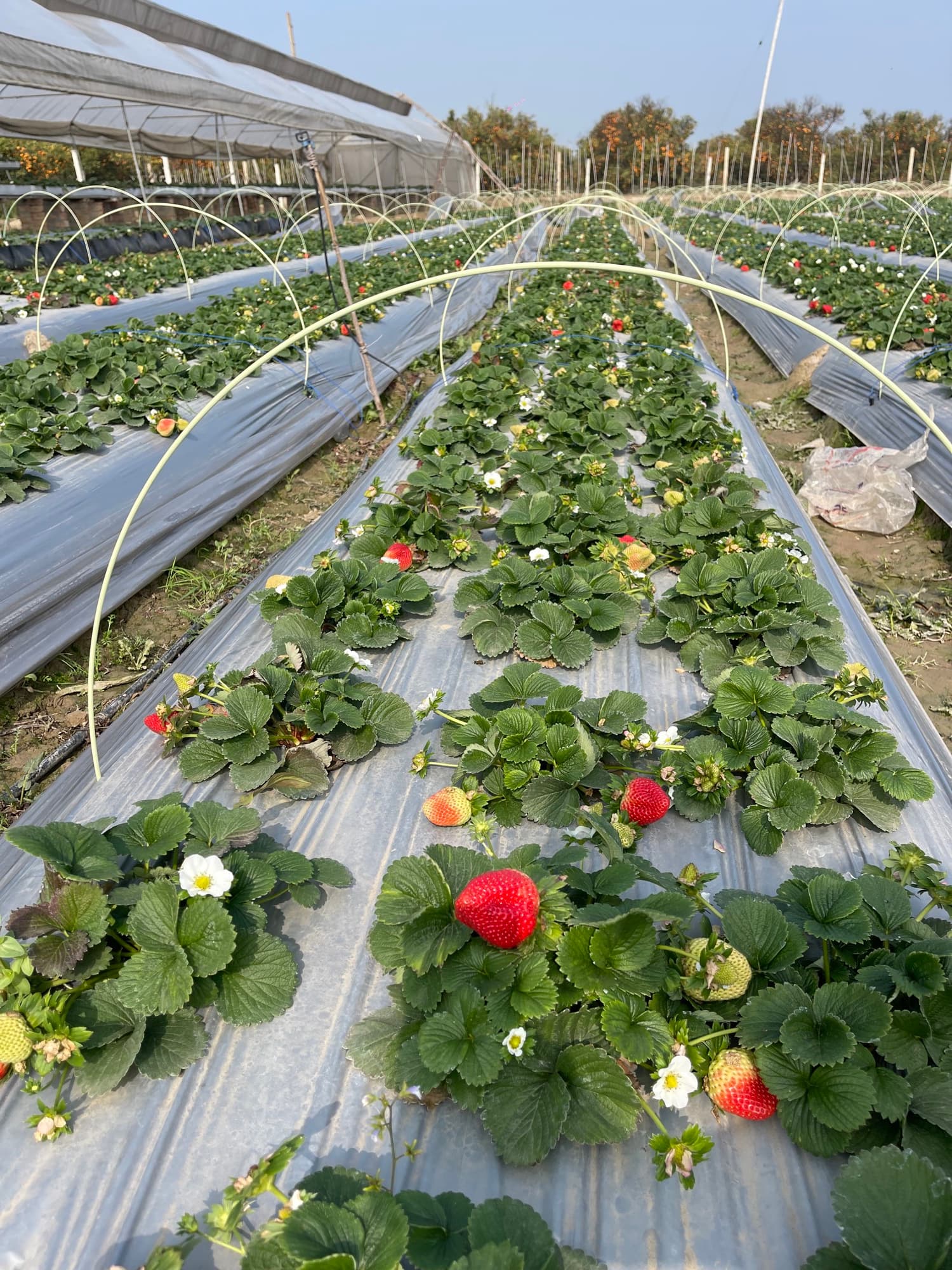
Vertical integration is not a buzzword for us — it is the only way we can promise the same fruit in every box. Here is what owning the farm actually changes, from variety selection to the day we decide to pick.
Most strawberry suppliers buy their fruit. They post a price, growers bring in whatever they picked that morning, and the packhouse sorts it into grades. It works, and it scales quickly. It also means the supplier has no say in the two decisions that matter most: which variety went into the ground, and which morning it came out.
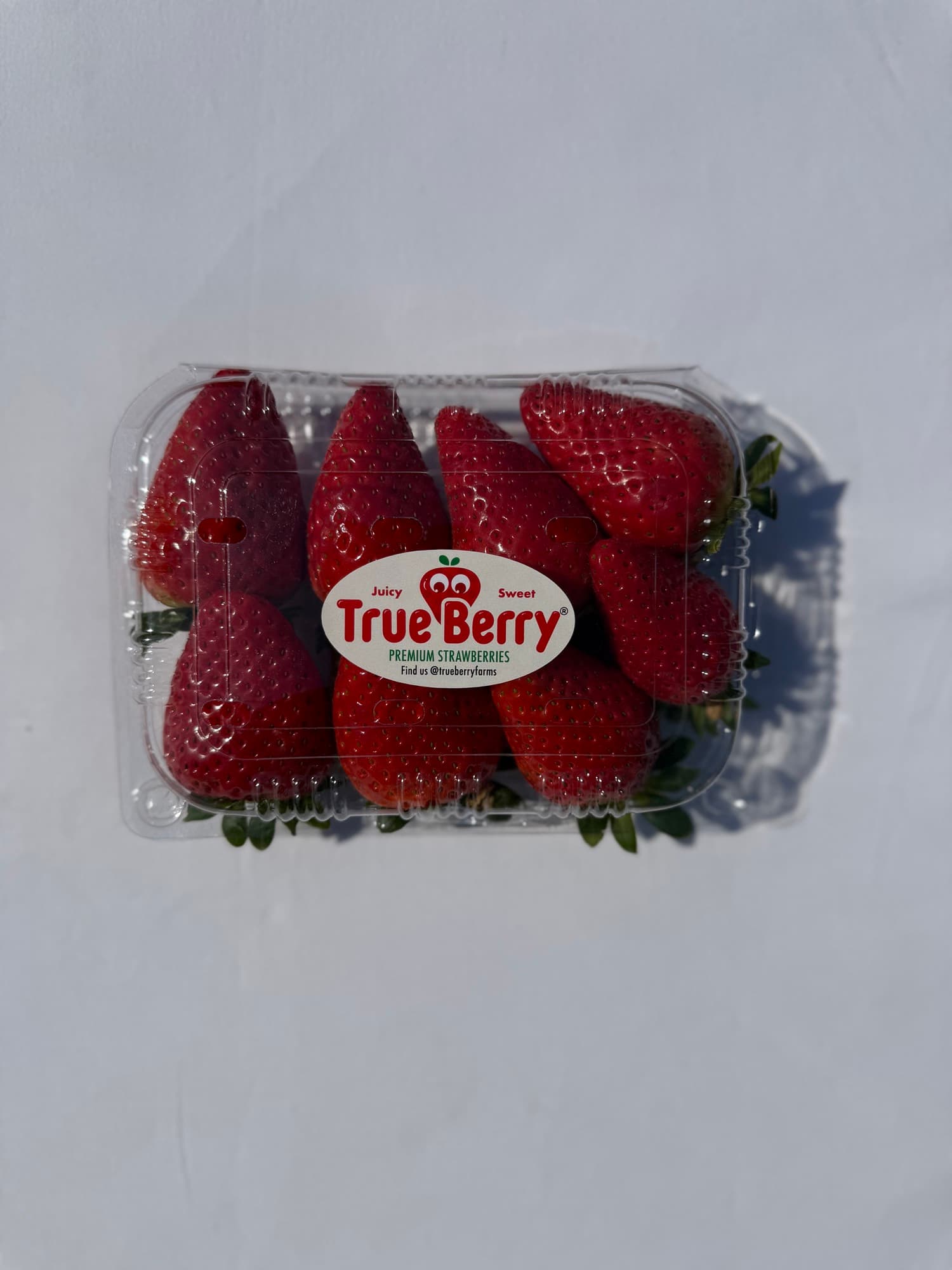
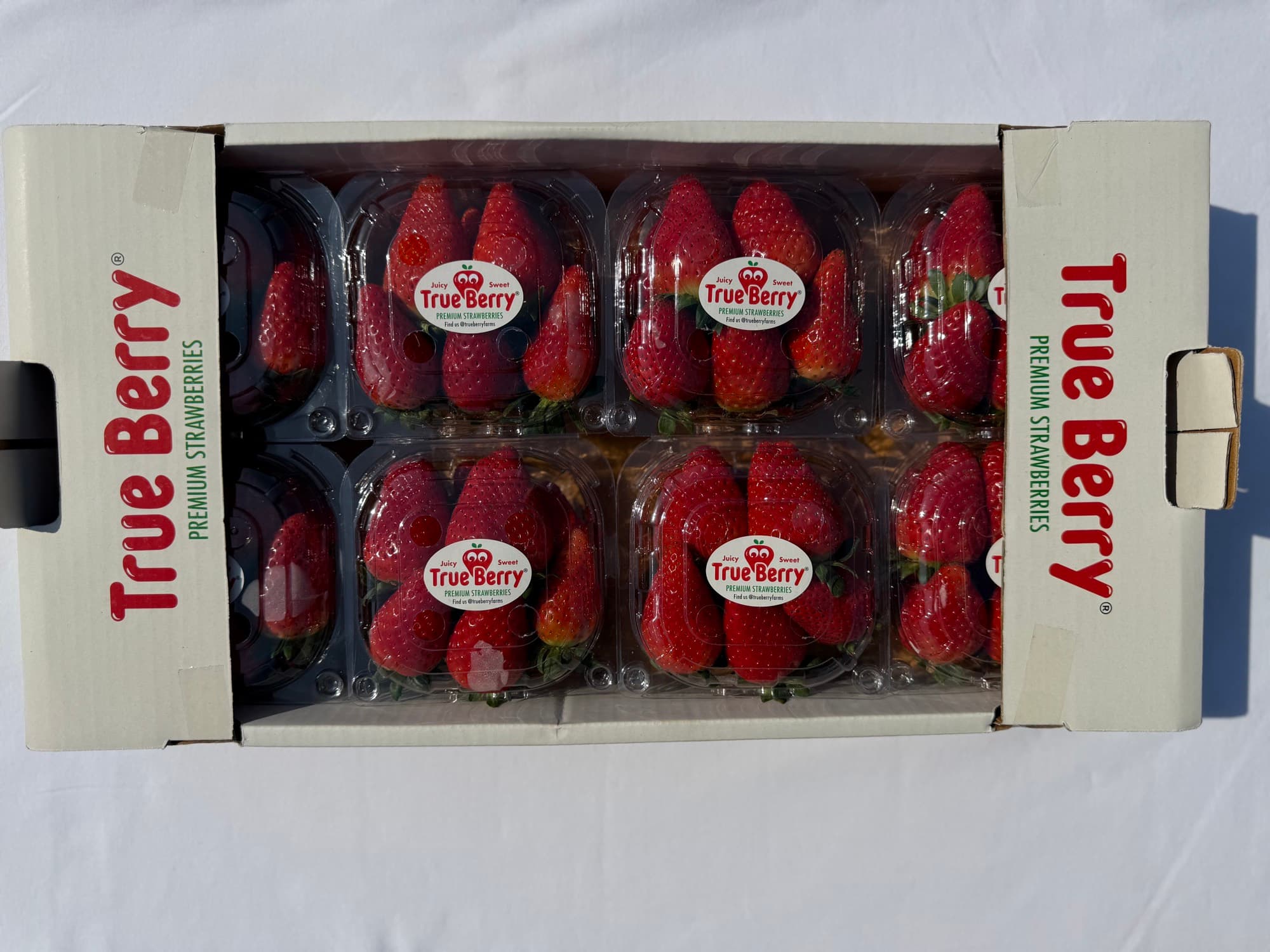
True Berry was set up the other way round. We grow on our own farms, we process in our own facility, and we pack under our own label. That is more capital and more risk than trading fruit. Here is what we get for it.
Variety selection happens a year early
A strawberry's sweetness, firmness, and shelf life are mostly decided before planting. Some varieties eat beautifully but bruise if you look at them wrong. Others travel well and taste like nothing. When you buy fruit on the open market you inherit whatever the grower chose, which is usually whatever yields heaviest.
Because we plant our own blocks, we pick varieties against the products they are destined for. Fruit headed for retail trays is selected for firmness and uniform sizing. Fruit headed for pulp is selected for colour and sugar, because nobody sees the shape of a berry once it has been processed.
We decide the harvest day
Sugar, colour, and firmness rarely peak on the same morning. A grower paid by weight has every reason to pick a day late, when the fruit is heaviest and softest. A grower paid on appearance has every reason to pick a day early, when it is firm and pale.
Owning the block removes that tension. Our field team reads the crop and calls the day based on where the fruit is going, not on how the invoice is calculated.
The cold chain starts in the field, not the warehouse
Every hour a picked strawberry spends warm is an hour off its shelf life, and that clock starts the moment it leaves the plant. When fruit is bought in, it has usually already sat on a trailer for half a day before anyone takes its temperature.
Ours moves from the block into cold chain the same day it is picked, and stays there through grading, packing, and dispatch. Fruit destined for freezing goes down to −18°C and below within hours.
Traceability is not a spreadsheet exercise
If a buyer asks where a particular batch came from, we can answer with a block and a date rather than a supplier name. That matters for FSSAI compliance, and it matters more when something needs investigating. A short chain is an auditable chain.
“We grow it, we process it, we pack it. That is the only way to promise the same fruit in every box.”
What it costs us
Honesty is worth more than a sales pitch here: vertical integration is slower to scale. We cannot double our volume by signing another supplier, because our ceiling is the land we farm and the capacity we have built. When a season goes badly, we absorb it directly instead of pushing it down the chain.
We think that is the right trade. A buyer who specifies our fruit is specifying a known variety, a known harvest window, and a known process — not an average of whatever the market delivered that week.