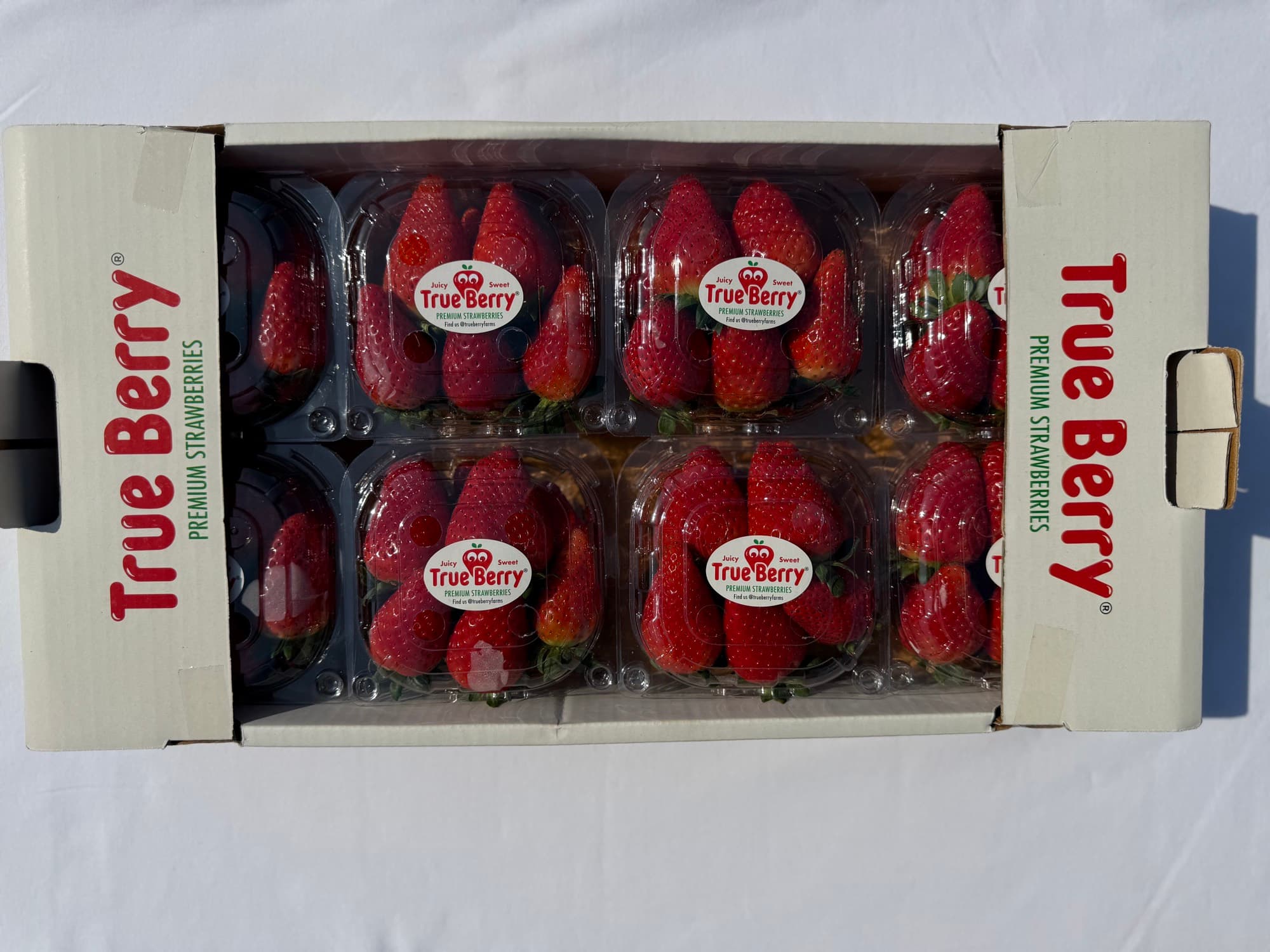
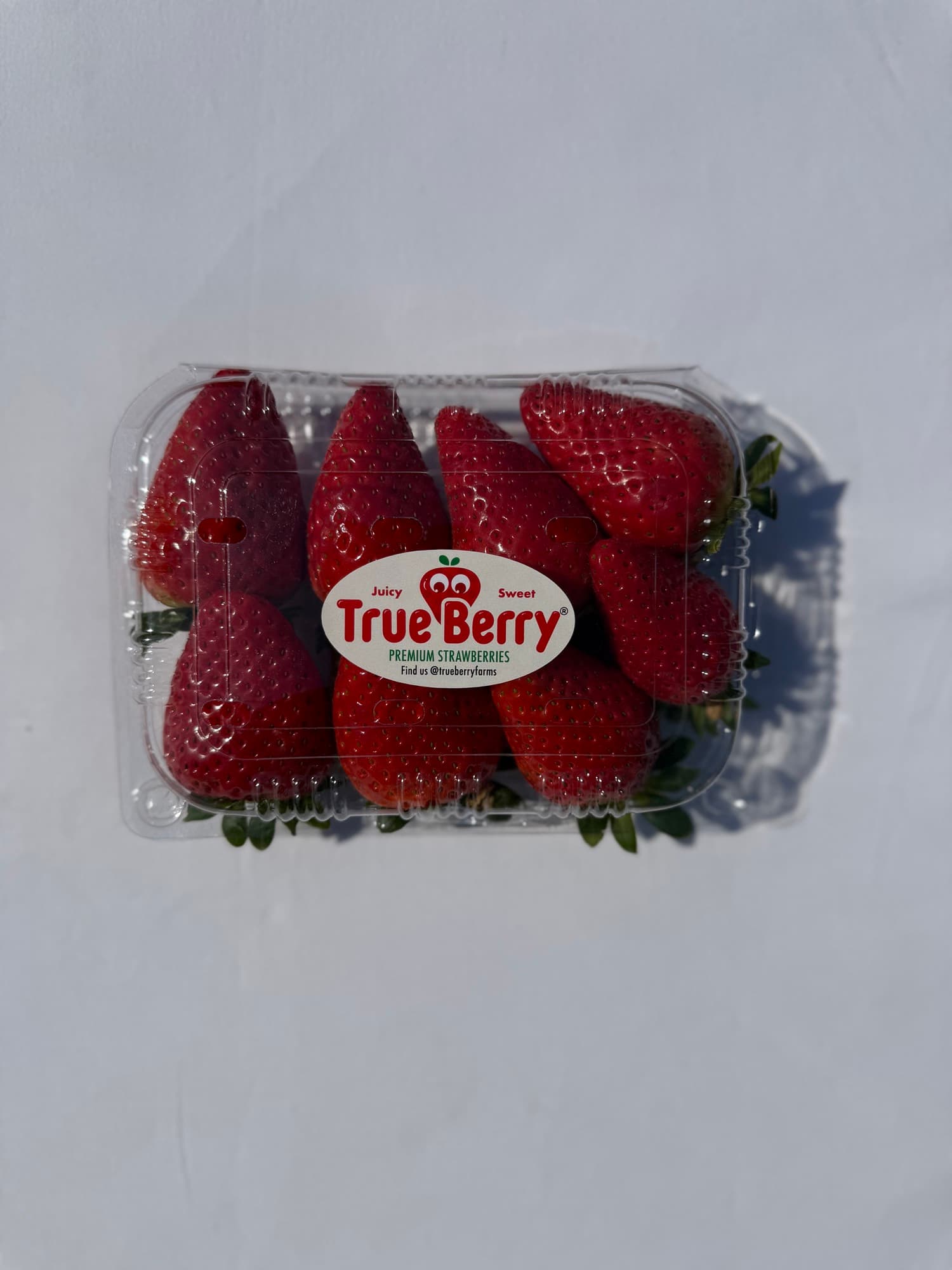
Every tray is hand-sorted for size and ripeness before it is sealed. Here is what our graders look for, and why consistent sizing matters as much to a buyer as it does to a shopper.
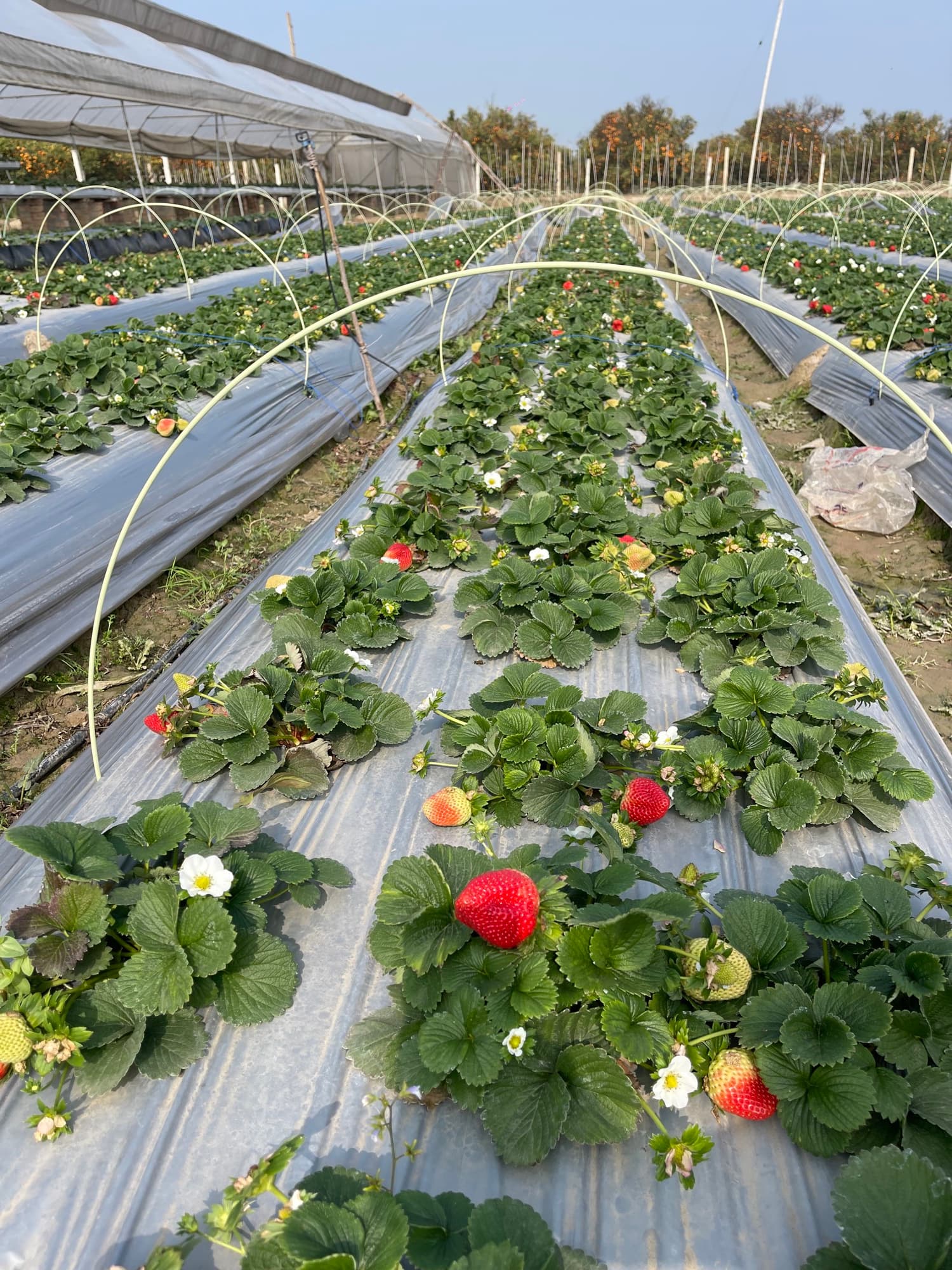
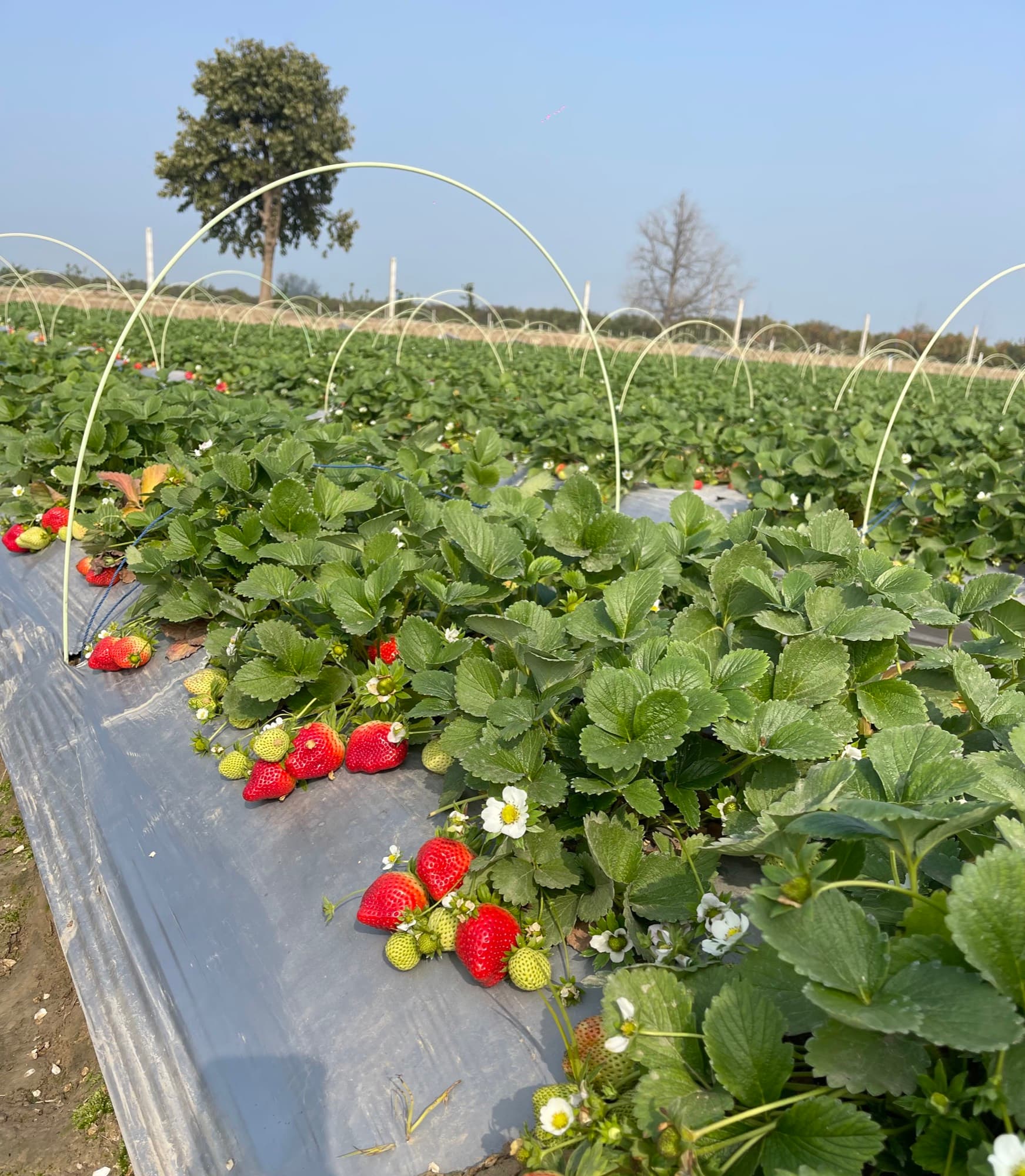
Grading is where a field crop becomes a product. Fruit arrives from the block in mixed sizes and mixed ripeness, and leaves as punnets a buyer can put a price on. Ours is done by hand, berry by berry.
What a grader is actually looking for
- Size consistency within the punnet — not a target size, but a narrow spread around whatever that punnet is being graded to.
- Even colour, with no pale shoulders or unripe tips.
- Firmness, checked by feel. Anything soft is pulled and redirected to processing rather than discarded.
- Intact calyx — the green crown should be fresh and attached, since it is the first thing to wilt and the clearest age signal on shelf.
- Skin damage, bruising, and any sign of rot.
Why uniform sizing matters more than big fruit
Buyers often assume grading is about finding the biggest berries. It is really about reducing variance. A punnet of evenly matched medium fruit looks deliberate and sells; a punnet with three giants and nine small ones looks like leftovers, regardless of total weight.
Uniformity also has a practical payoff. Evenly sized fruit packs with fewer voids, which means less movement in transit, which means less bruising on arrival.
Nothing graded out is wasted
A berry that fails the tray grade is not a failed berry. Soft fruit, odd shapes, and undersized fruit are all perfectly good eating — they just do not present well in a clear punnet. That fruit goes to the pulp line, where colour and sugar are what count and shape is irrelevant.
This is a direct benefit of running fresh and processed lines under one roof. A packer without a processing operation has to either sell downgraded fruit cheaply or throw it away, and both of those costs end up in the price of the fruit that does make the grade.
Formats
Graded fruit is packed into retail punnets and consolidated into 2 kg trays or 1.9 kg single-layer trays. Single-layer trays cost more per kilo to ship, since you are moving more air, but nothing sits on top of anything else — worth it for the most delicate fruit and the longest routes.
Packed trays go straight back into chilled storage and stay there until dispatch. The gap between sealing and cold is measured in minutes, not hours.