Sugar, colour, and firmness rarely peak on the same morning. A look at how our field team reads a block and why a day early or a day late changes everything downstream.
A strawberry does not ripen after it is picked. Unlike a banana or a mango, it has no starch reserve to convert into sugar once it leaves the plant. Whatever sweetness it has on harvest morning is the sweetness the buyer gets. That single fact drives how we run harvest.
Three things that peak at different times
- Colour develops first, and keeps deepening even after the fruit has stopped gaining sugar. A fully red berry is not necessarily a ripe one.
- Sugar peaks next, and holds for a narrow window before the fruit starts breaking down.
- Firmness declines the whole time. Every day on the plant past peak costs shelf life at the other end.
The job is not to find the day when all three are perfect, because there is no such day. It is to decide which of the three matters most for where that fruit is going.
Different destinations, different calls
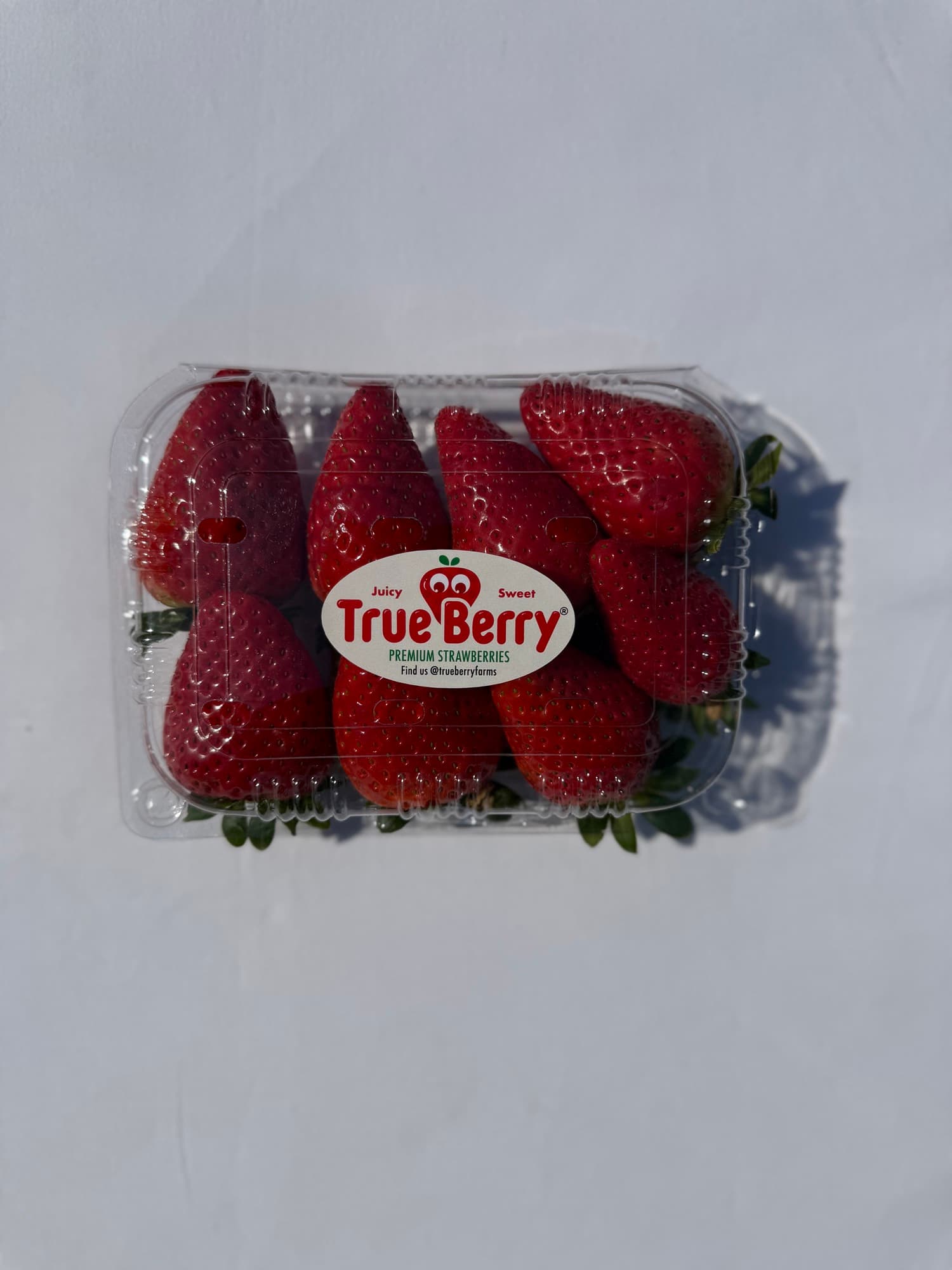
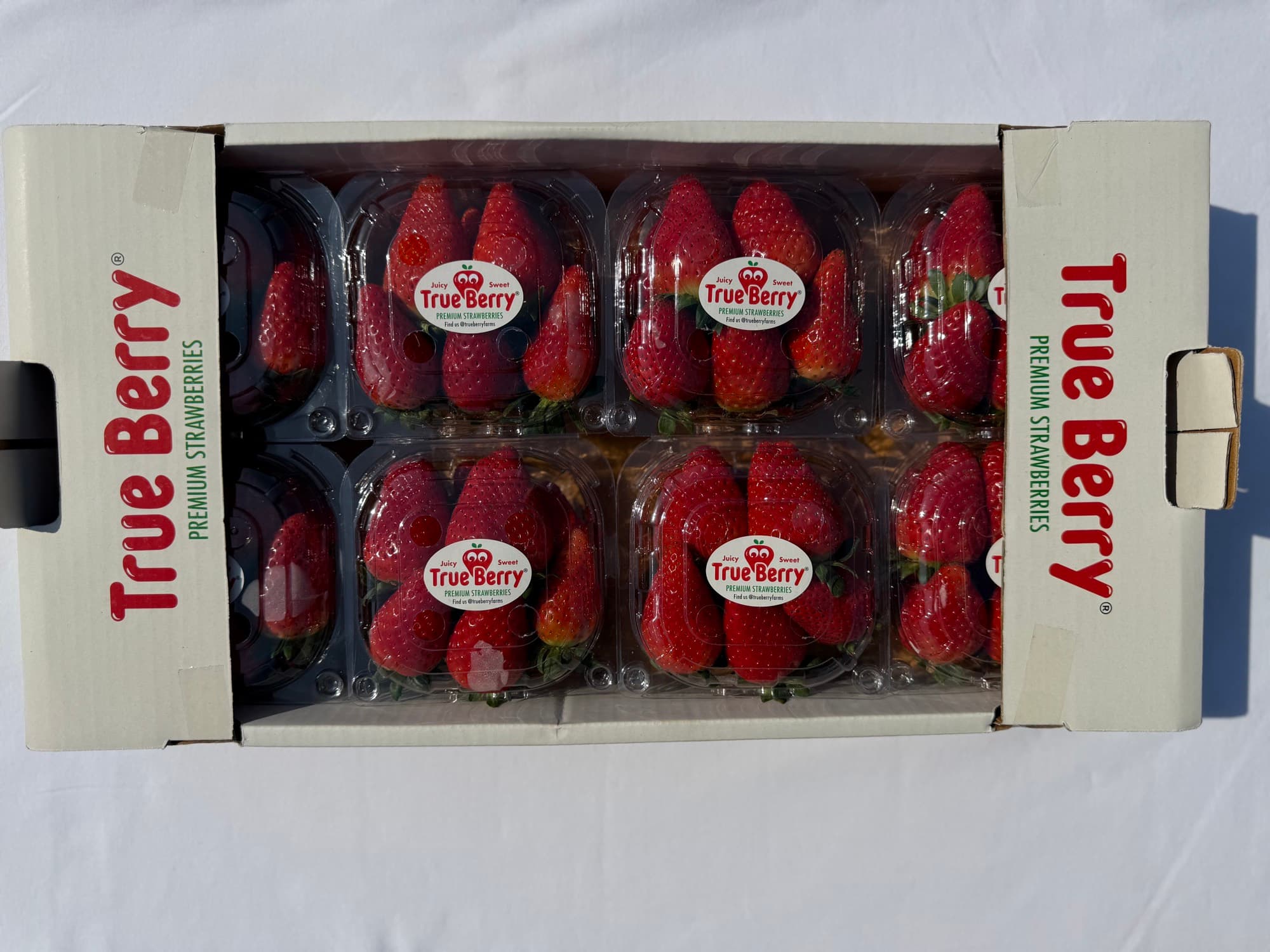
Fruit going into retail trays is picked on the firm side of peak. It has to survive grading, packing, transport, and a few days on shelf still looking like something a shopper wants to buy. We give up a fraction of sweetness to buy that durability.
Fruit going into pulp is picked fully ripe, and we are far less concerned about firmness. Nothing is gained by a firm berry that is about to be processed, and a great deal is gained by a sweet, deeply coloured one. Our pulp runs to a minimum 8.0 Brix, and that number is won in the field, not in the facility.
How the block gets read
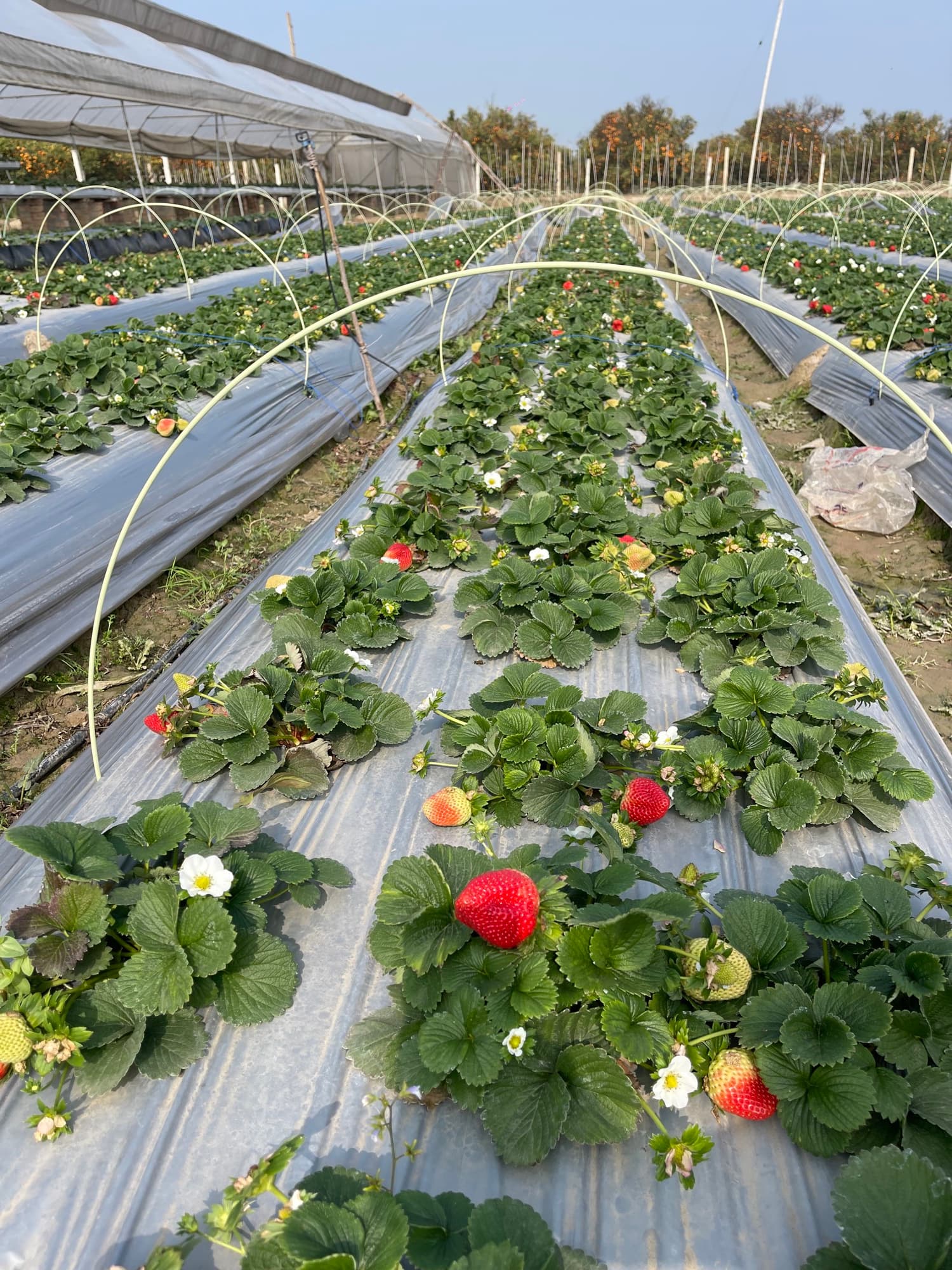
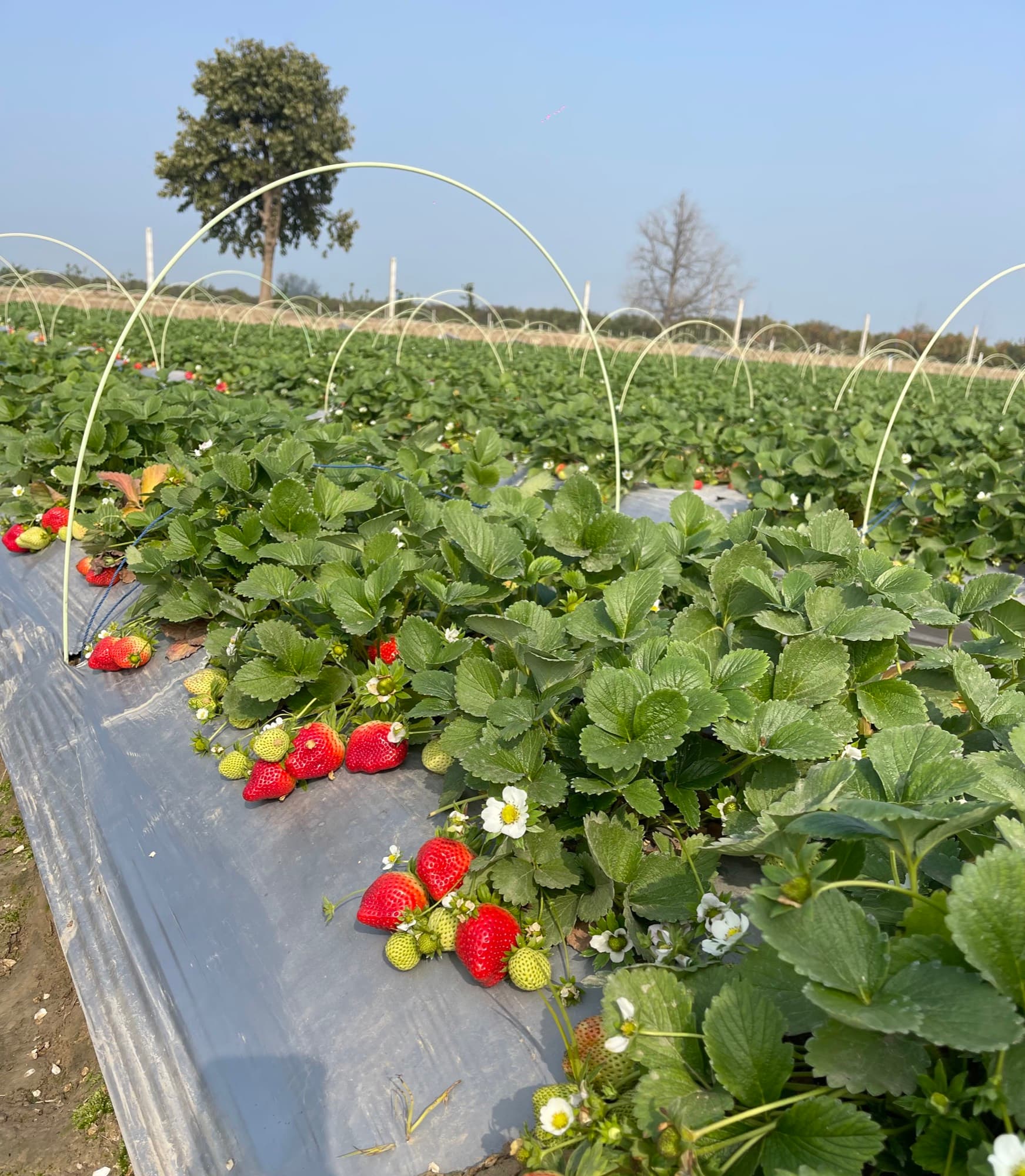
Our field team walks blocks rather than sampling a corner and extrapolating. Ripeness is uneven — the outside rows catch more sun, low spots hold more moisture, and a block will often come ready in patches over several days rather than all at once.
That means most blocks get picked more than once. It is slower and more labour-intensive than a single clearing pass, but a single pass guarantees that some of the fruit is early and some is late.
Weather forces the issue
Rain on ripe fruit is the harvest manager's worst case. Water sits in the crown, splits the skin, and invites rot, and a block that was two days from perfect can be written down to processing grade overnight. When the forecast turns, we pick early and accept the lost sugar.
Heat cuts the other way. A hot spell accelerates everything at once, compressing a comfortable four-day window into two. Those are the weeks when owning the farm and the facility earns its keep — we can move harvest forward without renegotiating anything with anyone.